By Golly, Ollie!

💾 a blog about books, tea, & geekery

Tag: YA

Posts featuring books intended for a young adult audience (13-18 years old)

  • 7 Graphic Novels I Can’t Stop Thinking About

    7 Graphic Novels I Can’t Stop Thinking About

    A few years ago, I plucked an unsuspecting graphic novel from a shelf at the library–The Sacrifice of Darkness by Roxanne Gay, Tracy Lynne Oliver, Rebecca Kirby, and James Fenner. I remember this graphic novel being solidly okay, but it encouraged me to actively seek out graphic novels going forward. Now I bring one home after every library visit. They are mostly middle-grade or young adult books since that’s what is immediately available to me at my local library, but they are nevertheless incredible. Some have even made me weep! Here are 7 graphic novels I’ve read in the last year (and a half?) that I cannot stop thinking about:

    This was Our Pact by Ryan Andrews

    On the night of the Autumn Equinox Festival, a town gathers to float paper lanterns down the river. Legend has it, the lanterns will float away and right out to the Milky Way. This year, Ben and his classmates make a pact to follow the lanterns to find out if the legend is true. However, it’s not long before the pact is broken, and all who remain are Ben and the one kid who doesn’t quite fit in, Nathaniel. Together, they travel farther than anyone has gone before, and along the way, they discover a world full of magic and unexpected friendship.

    This Was Our Pact was delightful. It was magical. It was whimsical. It had a talking bear! And the whole time I thought, this world could come to life in a Hayao Miyazaki film. The artwork was stunning, too. Like, you could open up the book to the illustration of the Milky Way, and the page could just swallow you up like the sky.

    Squire by Sara Alfageeh and Nadia Shammas

    Aiza has always dreamed of being a knight; it’s the highest military honor of the Bayt-Sajji Empire, and it’s her only path to full citizenship as a member of the marginalized Ornu people. When Bayt-Sajji finds itself on the brink of war, Aiza enlists. She navigates new friendships and rigorous training all while hiding her Ornu background from her friends and superiors. She also learns that the Bayt-Sajji military might not be fighting for the greater good after all, forcing her to choose between her heritage and her loyalty to the empire.

    Lately, I feel as though I’ve abandoned YA books because the authors I’ve picked up struggle to address social issues well. The stories often feel stilted or like the author is just reiterating a talking point they read on social media. It feels cringey and vaguely Afterschool Special-esque. But, I think the thing that impressed me most about Squire was its ability to address complex themes like propaganda, imperialism, colonialism, and minority identity under a conquering empire without sacrificing rich storytelling. Also, the story features badass girls with swords, which is always awesome.

    Incredible Doom: Volume 1 by Matthew Bogart and Jesse Holden

    Simply, Incredible Doom is about outcast teens finding refuge from abusive parents and acceptance from peers after being bullied at a new school through the bulletin board system of the early ’90s (sort of a precursor to the modern internet). Plus, it has a punk house, 90’s DIY aesthetic, and some wonderful Star Trek geekery!

    Even though I didn’t have internet access at home until the late 1990s and didn’t experience BBS, this graphic novel made me feel so nostalgic for the internet of yesteryear. I haven’t been able to stop thinking about this book and the early days of personal websites since.

    Ducks: Two Years in the Oil Sands by Kate Beaton

    Kate Beaton narrates her experience working in the oil sands of Alberta, where she is one of a few women among thousands of men, in this graphic novel memoir.

    This is probably the only book on this list that doesn’t target a YA or middle-grade audience and pheeew! This book was heavy. I went into reading this book thinking it was going to be about the environmental impact of the oil sands, and the author does touch on it. But, it was more about the cultural and human impact of living in an insular and isolated community.

    As a woman, Beaton dealt with sexual harassment and sexual assault. She doesn’t excuse these actions but still manages to hold compassion for many of her male co-workers, who are complicit in perpetuating a toxic and dangerous environment for women. Ultimately, the men were victims of the oil sands too. Without access to mental health resources, pervasive loneliness and depression permeated their lives as they spent years away from families and communities outside of work camps or watched corporate bosses sweep the accidental deaths of oil sand workers under the rug because they were viewed as expendable. Ducks is a devastating, empathetic, and nuanced portrayal of just how badly the environment and human lives were exploited to churn out a corporate profit.

    P.S. Don’t skip the afterword. Beaton addresses her assault more directly here, and it provides much more context on how it was treated in the graphic novel. It helped me process some of the emotions that surfaced as I read this story.

    Laura Dean Keeps Breaking Up with Me by Mariko Tamaki and Rosemary Valero-O’Connell

    Freddy Riley’s world revolves around her girlfriend, Laura Dean. Laura is cool and popular and exciting, but she’s also a jerk who only seems to use Freddy when she’s bored. Freddy’s self-esteem and friendships are suffering because of it, so Freddy is trying to figure out how to ditch Laura once and for all.

    I found this coming-of-age story absorbing, but the thing that sticks with me after all this time is the artwork. The illustrations are inked simply in black and white with the occasional use of pink. It was beautiful, absolutely striking.

    This One Summer by Mariko Tamaki and Jillian Tamaki

    On the surface, This One Summer is about Rose and her annual summer vacation at Awago Beach. This summer is different though because Rose’s parents keep fighting. Luckily, Rose’s friend Windy is at the beach too, and together they find ways to distract themselves from family drama.

    Below the surface, This One Summer is a quiet novel about a girl teetering on the cusp of adolescence. It’s about leaving the freedom and naivety of childhood behind and learning to navigate the tumultuous world of pre-teen/teenage girlhood. It’s changing bodies and pushing boundaries and noticing boys. It’s also about all the ways we learn to form opinions of ourselves as girls based on how the world around us (men and boys in particular, but also the media we consume and other women harboring internalized misogyny), reacts to our existence. Girlhood (and womanhood) is such a powerful experience, but sometimes it is a profoundly devastating experience, and it was captured here within the pages of This One Summer. And by God, this book made me weep.

    There are two stories I think of that capture the essence of being a preteen girl so perfectly: Are You There God? It’s Me, Margaret by Judy Blume (which I read as an actual preteen) and now This One Summer by Mariko and Jillian Tamaki (which I read as an adult and through the lens of being a mother). It was absolutely brilliant.

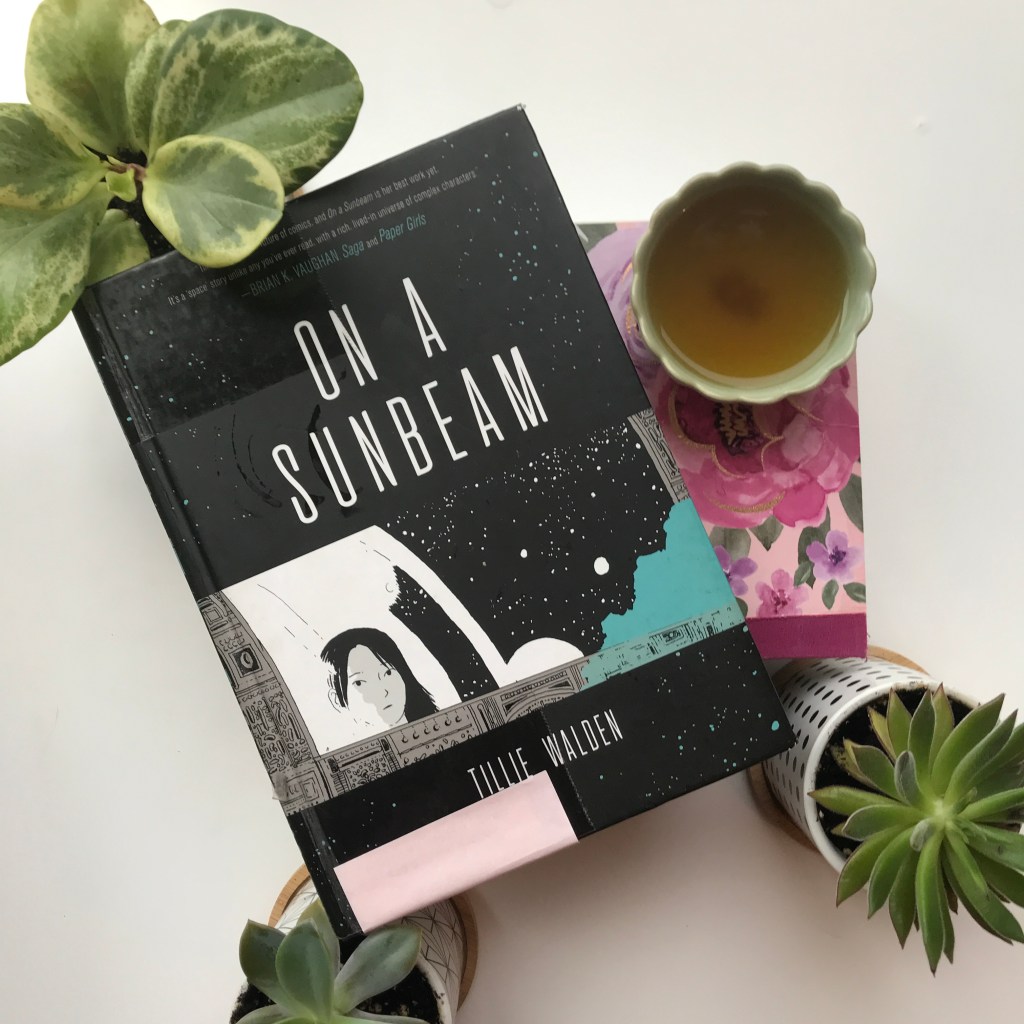
    On A Sunbeam by Tillie Walden

    Throughout the deepest reaches of space, a crew rebuilds broken-down structures to reassemble the past. As the newest crew member, Mia gets to know her team, the story flashes back to her time in boarding school, where she first fell in love. Soon, Mia reveals her purpose for joining the crew was to track down her long-lost love.

    On a Sunbeam is a warm blanket. There is so much love between these pages it soothes my soul. First, it is in the form of Sapphic relationships, especially between Mia and her first love, Grace. When Grace is suddenly ripped from Mia’s life, Mia attempts to defy the vastness of the entire. friggin. universe. just to find her again. Second, it is in the form of a found family– the crew Mia connects with to rebuild abandoned buildings in space.

    Beyond the storytelling, Tillie Walden’s illustrations are stunning, and her artwork is among my favorites. Her artwork in Are You Listening? is pretty incredible too.

    P.S. You can read On a Sunbeam online for free here.

  • The Truth About Forever by Sarah Dessen

    The Truth About Forever by Sarah Dessen

    Years ago, I read Just Listen by Sarah Dessen, and what I remember most about it is how mediocre I thought the story was, and after reading through summaries of her other novels, largely formulaic:

    • Girl experiences some kind of hardship and withdraws from the world
    • Girl falls in with a new crowd
    • Girl meets a handsome teenage boy and starts to feel human again
    • Girl and boy have a misunderstanding and experience a falling out
    • Girl and boy makeup at the end and live happily ever after

    So, considering my previous experience with this author, it’s strange that by the end of my first library visit in months, one of the books I borrowed was The Truth About Forever by Sarah Dessen. And even more surprising? I devoured the book in just a few sittings.

    I appreciated reading about Macy’s journey. She is grieving the loss of her father and with the help of her boyfriend, Jason, she has established a very strict routine. One that includes working at the library information desk, studying for the SAT, and ironing and starching her clothes to perfection. It helps keep her mind from dwelling on her father’s death, and it shows people that she’s carrying on with life and everything is fine, just fine. But, her routine is threatened when her boyfriend goes away to Brain Camp. And worse, he wants to take a break so he can focus on his future.

    Then comes along a new job opportunity and a group of new and ragtag co-workers, who turn her life even more topsy-turvy. They draw her out of her shell, they introduce her to the chaos and imperfections of catering and high school parties, and most importantly, they allow her the opportunity to be vulnerable without judgment— a stark contrast to her boyfriend.

    But, while enjoyable, The Truth About Forever doesn’t deviate far from the plot structure outlined above. The Truth About Forever doesn’t introduce anything new to Contemporary YA. It doesn’t even attempt to put a clever twist on any of the genre tropes. But, I don’t think that’s why people reach for novels by Sarah Dessen. Dessen has been around for a while. A long while. Like, she was writing YA back when I was… YA. She’s a constant in this genre, so many people reach for her novels for the comfort of likable characters, the familiar summertime settings in North Carolina, specifically the fictional town of Colby, and a plot that is…well, predictable— one where despite all the hardships, all the characters end up okay at the end. At least, that’s why I reached for The Truth About Forever; and that’s why I’m inclined to continue picking up other books by Dessen in the future.

    The Tea

    The Truth About Forever takes place during the summertime in the south, and only one thing comes to mind— sweet, iced tea! Stereotypically Lipton, sweet iced tea, but I’m choosing Ceylon Sonata Cold Brew from Adagio Teas instead. Adagio’s Ceylon Sonata is a black tea that comes from the Kenilworth Estate in Sri Lanka. It is a medium-bodied, black tea with bright citrus notes.

    It’s balanced and refreshing, and it’s one of those teas that makes me break my no-caffeine-after-3PM bans because it’s so, so good. This is exactly the kind of iced tea I think the characters in Dessen’s fictional town of Colby, North Carolina would sip on during summer vacations.

  • Everything, Everything by Nicola Yoon

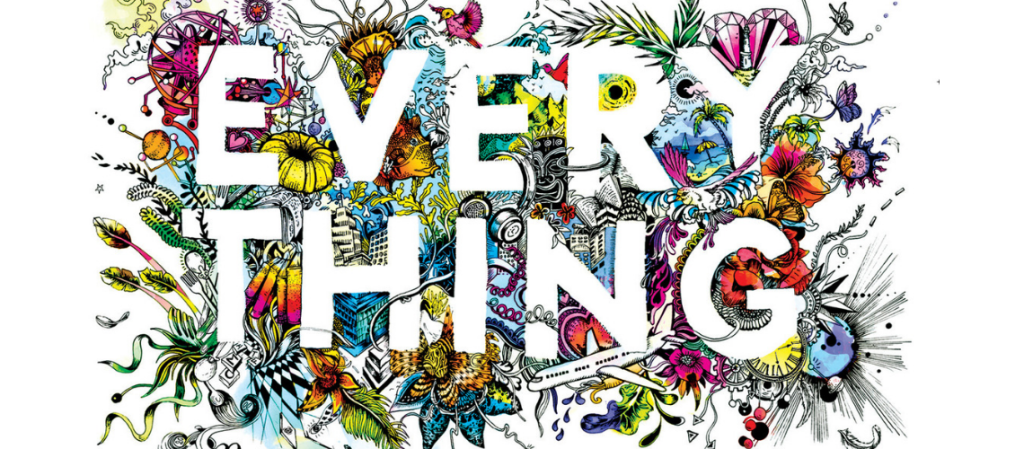
    Everything, Everything by Nicola Yoon

    Everything, Everything by Nicola Yoon is one of those books that have been on my TBR list for ages, but I couldn’t remember why. That happens you know – forgetting why I put a book on my wish list? Or that I even put a book on my wish list at all. That started happening once I became a book blogger. I get bombarded with book recommendations from other bloggers that sometimes I lose track. It’s especially bad because I’ve been a part of the book blogosphere since 2011, so that’s a lot of books that have made it onto my radar. Has that happened to you?

    I will even admit I forget what Everything, Everything was about– just that it was a contemporary that was supposed to be an emotional read, and it came highly recommended. I didn’t even bother to read the synopsis when I bought it! I just saw that it was on sale, so in my cart it went.

    Everything, Everything by Nicola Yoon

    Released: September 2015
    Publisher: Delacorte Books for Young Readers
    ★★★☆☆

    My disease is as rare as it is famous. Basically, I’m allergic to the world. I don’t leave my house, have not left my house in seventeen years. The only people I ever see are my mom and my nurse, Carla.

    But then one day, a moving truck arrives next door. I look out my window, and I see him. He’s tall, lean and wearing all black—black T-shirt, black jeans, black sneakers, and a black knit cap that covers his hair completely. He catches me looking and stares at me. I stare right back. His name is Olly.

    Maybe we can’t predict the future, but we can predict some things. For example, I am certainly going to fall in love with Olly. It’s almost certainly going to be a disaster.

    The Writing

    The first thing that stood out to me was the formatting of the story. I thought I was going to dive into a heavy novel with beautiful and emotional prose, but instead Everything, Everything has short, two to three page chapters, and it includes some epistolary storytelling in the form of instant messages, emails, and homework assignments. The formatting was engaging and perhaps an effective way to show how isolated Madeline was. Through her e-mails and instant messages, readers catch a glimpse of what is inside her head while also seeing how she tries to connect with the people around her though limited those opportunities they may be. The formatting also happened to be the story’s downfall. The story addressed some heavy subject matter like mental health, physical abuse, chronic illness, death, and isolation, that I wish was explored further in prose.

    The Relationships

    I appreciated the relationship between Madeline and her nurse, Carla, who seemed to treat Madeline as though she was a normal teenager despite growing up in a bubble. This relationship feels more like a mother/daughter relationship compared to the relationship Madeline has with her own mother. There is conflict and some bickering between Madeline and Carla as Madeline tries to push her boundaries. But of course, the two love each other, and that comes through too.

    Her relationship with her mom, on the other hand, seemed sterile and a touch unrealistic. The two get along too well, and the two don’t seem to have a history of conflict despite being cooped up with each other for so long.

    The fast-paced relationship between Madeline and Olly, the dreamy boy next-door, also seemed unrealistic. I liked the bond the two formed. And despite Olly’s bad-boy appearance, he was kind and gentle and fun. But, their relationship seemed to move too fast considering how limited their interactions were. And Madeline seemed incredibly mature about everything despite her lack of socialization with people her age. She would probably argue that it’s because she’s read so many books. But, I don’t care how well-read someone is– relating to other teenagers, especially when hormones are buzzing, is easier said read than done!

    The Twist

    The plot twist left me wanting more. Although, to call it a twist is inaccurate (for me). I wasn’t surprised the story took the turn that it did. I already had my suspicions after reading the first few pages.

    After the twist was revealed, I thought “Oooh! Here is where things get juicy!” But there was no juice, and I was left feeling thirsty. The plot twist opened up more opportunity for conflict between Madeline and her mom, but the story didn’t go there. Madeline…just sort of ignores her mom and continues on with life, and the ending just sort of fizzled along.

    Overall I appreciated Everything, Everything. The characters were likable, and the plot, though predictable, was new and refreshing (or, at least I haven’t read anything like it). The blend of prose and Epistolary storytelling made for an engaging and quick read– perfect for cluster feeding nursing sessions at two in the morning– but I don’t think the formatting allowed the reader to explore some of the heavier themes beyond the surface.

    I would recommend this novel to anyone in a reading slump or for fans of Before I Fall, The Art of Holding On and Letting Go, and Ten Things We Did (and Probably Shouldn’t Have).

  • Dark Companion by Marta Acosta

    Dark Companion by Marta Acosta

    Warning: this post contains spoilers.

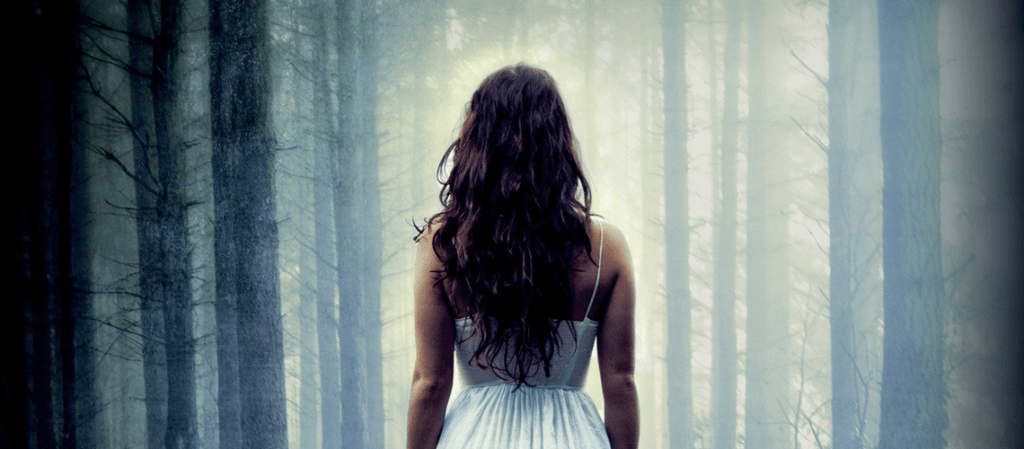
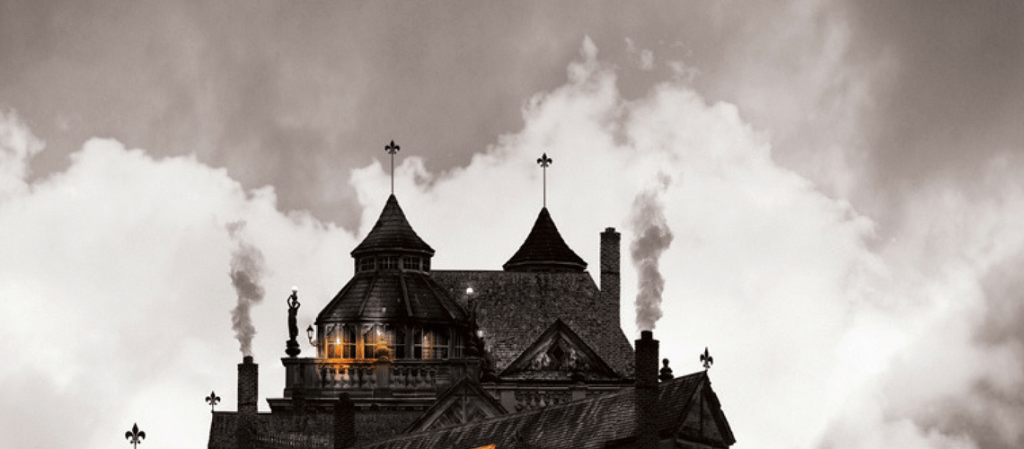
    Dark Companion by Marta Acosta is book #2 in my READ ALL THE LIBRARY BOOKS challenge, and like my initial reaction to Sign Language by Amy Ackley, when I pulled Dark Companion from the shelf, I was once again disappointed. In fact, I hadn’t even openly declared that I was trying to read all of the books in the YA section of my library at this point, so I almost gave up on the project in that moment. The book cover featured a young woman wearing a white gown in the middle of a spooky forest; between that image and the title, it screamed paranormal romance, which is a genre that has me hightailing it in the other direction faster than if it were a plate of brussels sprouts.

    I chose to persevere though, and in the end…I’ll still run from paranormal romance faster than if it were a plate of brussels sprouts.

    Dark Companion by Marta Acosta

    Released: July 2013
    Publisher: Tor/Macmillan
    ★★☆☆☆
    Add to Goodreads

    Orphaned at the age of six, Jane Williams has grown up in a series of foster homes, learning to survive in the shadows of life. Through hard work and determination, she manages to win a scholarship to the exclusive Birch Grove Academy. There, for the first time, Jane finds herself accepted by a group of friends. She even starts tutoring the headmistress’s gorgeous son, Lucien. Things seem too good to be true.

    They are.

    The more she learns about Birch Grove’s recent past, the more Jane comes to suspect that there is something sinister going on. Why did the wife of a popular teacher kill herself? What happened to the former scholarship student, whose place Jane took? Why does Lucien’s brother, Jack, seem to dislike her so much?

    As Jane begins to piece together the answers to the puzzle, she must find out why she was brought to Birch Grove and what she would risk to stay there..because even the brightest people make terrible decisions when they are offered the things they desire most.

    The Review

    Admittedly, for the first half of the novel, I thought Dark Companion was going to be a solid, four-star kind of novel. I thought it was going to be the book that changed my mind about paranormal romance. So what if I thought the main character, Jane, was kind of uninspiring? So what if I thought Lucien and Jack, potential love interests, were worse than Edward Cullen (how?!)? It takes place at a friggin’ boarding school, which is one of my favorite settings ever! Plus, Acosta wrote one of my favorite secondary characters ever– Mary Violet (or MV). MV is hilarious and clever and vibrant, and all I wanted to do was read a book about her. Of course, there simply is no denying that Marta Acosta’s writing is beautiful either. She captured the atmosphere of a gothic novel so perfectly.

    Yet the exclusive Birch Grove Academy has a dark, cult-like secret. One that I wasn’t on board with.

    I thought Dark Companion was going to be a vampire novel because there are these subtle clues that some of the characters in the novel have a certain fascination with blood. They like their steaks rare (Did I say “rare”? I mean “basically raw”), and they practically start salivating when people get paper cuts. And yet, vampirism would have been preferred to the twist that was presented (even though I can’t stand vampires. Exhibit A. Exhibit B. Exhibit C.) A genetic disorder plagues Lucien and his family (who run Birch Grove), that makes them both incredibly pale and incredibly thirsty for blood. And Jane was invited to Birch Grove Academy because her blood is exactly what Lucien needs. When it is revealed to Jane that she was selected to be Lucien’s companion, she’s both freaked out because this means he will drink her blood, but also kind of thrilled because it means she gets to be with Lucien forever and she totally has the hots for him. Except, their relationship ends up being just as creepy as you think it will be. Lucien is overwhelmed by literal bloodlust, and he tries to seduce Jane every time he wants to feed. It boggled my mind that this novel was marketed as a YA novel, especially considering in a previous scene, Jane returned to a friend in the slums and learned all about BDSM and “blood play”. All of this just made me feel so uncomfortable, and all I wanted to do was take a hot shower and scrub myself clean with a loofah made of steel wool. Ick.

    Jane eventually comes to her senses and realizes this relationship is absolutely crazy and toxic and ends up falling for Jack, Lucien’s brother, instead. Neither of the love interests are particularly decent, but at least Jack doesn’t want to drink Jane’s bodily fluids.

    Dark Companion was a disappointment, but I still find myself optimistic about this challenge. This is especially odd because the next book in line is Halo by Alexandra Adornetto, and I’ve intentionally avoided YA novels featuring angels as the main character. I’m not keen on innocent and pure main characters and forbidden love.Save

  • Sign Language by Amy Ackley

    Sign Language by Amy Ackley

    Sometimes I choose library books with reckless abandon. I choose them at random and hope for the best. For example, the moment I plucked Sign Language by Amy Ackley from the library stack…I was disappointed. The book cover seemed to indicate that the novel I held in my hands was going to be some generic contemporary YA novel. This is a genre I tend to avoid because I have a hard time relating to the characters, and sometimes I find their actions/reactions to be unbelievable. However, Fangirl by Rainbow Rowell and Open Road Summer by Emery Lord are exceptions; I adored these two novels. On top of that, Sign Language dealt with a topic that I wasn’t entirely sure I was prepared to read about because I was already dealing with it in my own life– grief and a parent battling cancer. I did struggle to immerse myself into the novel at first, but by the end I found Sign Language to be wonderfully written and emotional story.

    I had a hard time getting absorbed into the story because I struggled to accept how Abby North, the main character, reacted to the news of her father’s cancer.  At first, she wouldn’t call her father’s ailment what it was– cancer. It seemed like she was ignorant and unaware of what was happening, which didn’t make sense because twelve-year-old kids know what cancer is. Then I realized, this was her “denial stage”, and the author was essentially using the 5 steps of grief as framework for the novel. The moment when Abby finally acknowledges that her father has cancer, and it is terminal, changed everything for me. I recall reading this novel in bed at 2AM with a flashlight tucked under my chin, and I’m fairly confident I wept through the entire second half of the novel.

    Aside from coping from the loss of her father, Abby still has to deal with everything else that comes with being a teenager– falling in love, a family that feels like it is falling apart, moving away, finding a place in the world. She feels lost, and she feels angry that her father is not around to guide her through adolescence. She doesn’t always make the best decisions, sometimes she pushes friends and family away, and every time, it felt like my heart was breaking for her.

    Sign Language by Amy Ackley is a perfect example of why I wanted to challenge myself to READ ALL THE BOOKS. It’s a novel I would have ignored either because of something vain, like the book cover, or because I don’t often like contemporary fiction, but in a way, it’s a story that I needed to read.

    (Also, fun fact, according to her bio, the author is a Michigan native, and she lives two towns over from where I live. What if I bumped into her at a restaurant and didn’t even realize?! NEAT!)


    Sign Language by Amy Ackley

    Released: August 2011
    Genre: Contemporary, Coming of Age
    Age Group: Young Adult

    [goodreads ]

    Twelve-year-old Abby North’s first hint that something is really wrong with her dad is how long it’s taking him to recover from what she thought was routine surgery. Soon, the thing she calls “It” has a real name: cancer. Before, her biggest concerns were her annoying brother, the crush unaware of her existence, and her changing feelings for her best friend, Spence, the boy across the street. Now, her mother cries in the shower, her father is exhausted, and nothing is normal anymore. Amy Ackley’s impressive debut is wrenching, heartbreaking, and utterly true.

  • The Sisterhood of the Traveling Pants by Ann Brashares

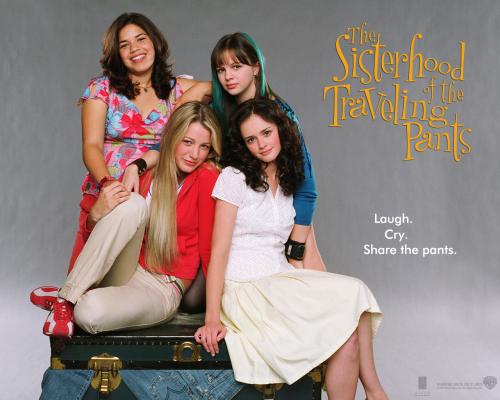
    The Sisterhood of the Traveling Pants by Ann Brashares

    Following my recent re-read of Angus, Thongs, and Full-Frontal Snogging by Louise Rennison, I decided to check out another book from my teenage days– the Sisterhood of the Traveling Pants by Ann Brashares. To be completely honest, I only sort of vaguely remember this book despite its popularity and despite the movie, which of course I saw. I don’t have any specific memory related to this book, not like Angus, Thongs, and Full-Frontal Snogging at least, but I know I admired the depiction of a strong friendship and wished I had a Carmen, Tibby, Lena, and Bridget in my life.

    I felt something strange while reading the Sisterhood of the Traveling Pants. I don’t know if “regret” is the right word, but I think it was something close to that. I’ve never been a social butterfly. In high school, I hung out with friends during my school days and my color guard performances, but aside from that I kept myself pretty secluded mostly communicating with friends through livejournal and AIM (AOL Instant Messenger for you youngsters out there). We rarely had slumber parties. We rarely went to the movies or the beach or the mall together. In hindsight, I feel like I missed out on creating a strong bond, a strong friendship. I was very much a Tibby Rollins, cynical and sarcastic, but without Carmen, Lena, and Bridget to balance her.

    At first, I thought, if I could go back and do things differently… but then I wondered why go back in time when I still have so much future ahead of me? Because, as embarrassing as it is to admit, even at the age of 28, I still find myself living vicariously through Carmen and Tibby and Lena and Bridget. [This is about the time when I realize that I need to create one of those “Thirty before Thirty” lists and put “make real friends” at the very top.]

    The four girls are hardly perfect. Sometimes they become so preoccupied by events that are going on in their own lives– discovering that a parent is about to get remarried, making a new friend only to find out she is suffering from a terminal illness, allowing themselves to become vulnerable to someone else for the first time, becoming intimate with someone before they were actually ready– that they say things that they later regret or they don’t see that another friend is working through something painful too. But, their friendship is so strong that it doesn’t take long before one of them can take a step back and forgive one another or realize that they are needed by a friend to console and to comfort and to help realign the world.

    Another strange thing happened during my reread of the Sisterhood of the Traveling Pants— I cried. Specifically when Bailey is in the hospital and Tibby realizes just how big of an impact this little girl had on not just Tibby but the people the duo had met that summer. I never cry when I read books, but I swear, adulthood has turned me into a weepy wimp.

    Naturally, I had to immediately rent the Sisterhood of the Traveling Pants movie. It didn’t have quite the same effect as the book because I think their friendship seemed stronger in the book. But, I still spent the last twenty minutes of the film weeping (truly, adulthood has ruined me).

    If you’re looking for a contemporary novel focusing on friendship, the Sisterhood of the Traveling Pants is a must-read!


    The Sisterhood of the Traveling Pants by Ann Brashares

    Released: September 2001
    Genre: Contemporary, Romance
    Age Group: Young Adult

    [goodreads | indiebound]

    Carmen got the jeans at a thrift shop. They didn’t look all that great: they were worn, dirty, and speckled with bleach. On the night before she and her friends part for the summer, Carmen decides to toss them.

    But Tibby says they’re great. She’d love to have them. Lena and Bridget also think they’re fabulous. Lena decides that they should all try them on. Whoever they fit best will get them.

    Nobody knows why, but the pants fit everyone perfectly. Even Carmen (who never thinks she looks good in anything) thinks she looks good in the pants. Over a few bags of cheese puffs, they decide to form a sisterhood and take the vow of the Sisterhood of the Traveling Pants . . . the next morning, they say good-bye.

    And then the journey of the pants — and the most memorable summer of their lives — begins.

  • Angus, Thongs, and Full Frontal Snogging by Louise Rennison

    Angus, Thongs, and Full Frontal Snogging by Louise Rennison

    Angus, Thongs, and Full-Frontal Snogging by Louise Rennison is so old that I remember seeing it at my elementary book fair…nearly twenty years ago. I also remember wanting to buy the book, but I was too embarrassed because the word “thong” was in the title, so I picked up something more prudent instead. It wouldn’t be for another two years before I had the courage to pluck Angus, Thongs, and Full-Frontal snogging from the shelf at a Barnes & Noble bookstore.

    On the ride home, I read excerpts out loud to my mom about Georgia Nicholson dressing up as a green olive for a costume party followed by excerpts about Georgia accidentally shaving off one of her eyebrows, which made her look really surprised in one eye. My mom nearly had to pull the car over because she laughed so hard her eyes filled with tears.

    During a recent library visit, I spied this book on a shelf, and I wondered if it was still as funny after all of these years. I’m not much of a reader, unless it’s Harry Potter, but I could resist. I brought this book home…and devoured it in one sitting.

    Indeed, Angus, Thongs, and Full-Frontal Snogging is still hilarious, in the laugh-out-loud sort of way, after all of these years. It’s also entirely possible that Georgia Nicholson is one of my absolute favorite characters ever written. Okay, so she is sometimes selfish and a total snot to her friend, but she is also brave and vibrant, and she goes after what she wants (whether it’s Robbie the Sex God or Dave the Laugh or Masimo). Plus, Georgia has such a strong and memorable voice.

    angus-thongs

    After finishing the book, I immediately settled down to watch the movie adaptation on Netflix. If my memory serves me, the film is actually an adaptation of the first two novels in the Confessions of Georgia Nicholson series. It was such a fun little movie, and I just loafed on the couch wearing a cheesy grin and giggling. Although, Robbie was not how I pictured him. The movie version of Robbie the Sex God had such a feminine sounding voice, which was really weird.

    Also, I don’t recall if I thought about this as a teenager, but I certainly did during my recent re-read– I was kind of disturbed by the relationship between Georgia and Robbie. In the book, Georgia is only 14 but Robbie is just about to turn 18, and I found that to be totally creepy. (The film closed the age gap, so it didn’t bother me as much.)

    Have you ever read Angus, Thongs, and Full-Frontal Snogging? Have kids these days heard of this series? (I mean, I have to suspect that they have because my teeny tiny local library has the series…)


    Angus, Thongs, and Full-Frontal Snogging by Louise Rennison

    Released: June 1999
    Genre: Romance, Contemporary
    Age Group: Young Adult

    [goodreads | indiebound]

    There are six things very wrong with my life:

    1. I have one of those under-the-skin spots that will never come to a head but lurk in a red way for the next two years.

    2. It is on my nose

    3. I have a three-year-old sister who may have peed somewhere in my room.

    4. In fourteen days the summer hols will be over and then it will be back to Stalag 14 and Oberfuhrer Frau Simpson and her bunch of sadistic teachers.

    5. I am very ugly and need to go into an ugly home.

    6. I went to a party dressed as a stuffed olive.
    In this wildly funny journal of a year in the life of Georgia Nicolson, British author Louise Rennison has perfectly captured the soaring joys and bottomless angst of being a teenager. In the spirit of Bridget Jones’s Diary, this fresh, irreverent, and simply hilarious book will leave you laughing out loud. As Georgia would say, it’s “Fabbity fab fab!”

  • A Modern Adaptation of a Gothic Classic | The Turning by Francine Prose

    A Modern Adaptation of a Gothic Classic | The Turning by Francine Prose

    I am a slow reader. I mean, a slooooooooooow reader. I am also a distracted reader, so the fact that I even maintain a book blog is kind of a feat. Truly! I read about how other bloggers devour entire libraries in a year, and in five years, I could count the number of books I’ve read in a single day on one hand (The Vanishing Season by Jodi Lynn Anderson, the Wrap-up List by Steven Arnston, Into the Wild Nerd Yonder by Julie Halpern, Ghouls, Ghouls, Ghouls by Victoria Laurie). Well, I’m happy to say, I have one more book to add to this list. Er…sort of happy, anyway.


    the-turning-coverThe Turning by Francine Prose

    Released: September 2015
    Publisher: Harper Teen
    ★★☆☆☆
    Add to Goodreads

    Jack is spending the summer on a private island far from modern conveniences. No Wi-Fi, no cell service, no one else on the island but a housekeeper and the two very peculiar children in his care. The first time Jack sees the huge black mansion atop a windswept hill, he senses something cold, something more sinister than even the dark house itself.

    Soon, he feels terribly isolated and alone. Yet he is not alone. The house has visitors—peering in the windows, staring from across the shore. But why doesn’t anyone else see them . . . and what do they want? As secrets are revealed and darker truths surface, Jack desperately struggles to maintain a grip on reality. He knows what he sees, and he isn’t crazy. . . . Or is he?

    From nationally acclaimed author Francine Prose comes a mind-bending story that will leave you realizing how subtle the lines that separate reality, imagination, and insanity really are.


    The first thing you should know about the Turning by Francine Prose is that it is an adaptation of the gothic novella, The Turning of the Screw by Henry James (this was assigned reading in high school, but of course I read Sparknotes instead). The second thing you should know is The Turning is an epistolary novel told through an exchange of letters between Jack and his girlfriend. The third thing you should know is the Turning has an absolutely promising first half…and then it all falls apart (sort of like Jack’s sanity).

    What makes the first half of the novel so intriguing is the low-key creepy factor. Like the fact that Jack can’t shake the feeling that he’s being watched. Or the children, whose behavior is just ever slightly abnormal, hid a photograph of the last baby sitter with her face scratched out, and this somehow makes the children scarier than Regan from The Exorcist. Or the feeling that their other caretaker isn’t being 100% honest about the island, the house, or the children.

    Eventually, the isolation of the island starts to drive Jack mad though. He becomes paranoid and accuses his girlfriend of cheating on him, which is annoying. Then he starts seeing the ghost of a young woman, and he falls in love with her. Aside from his madness being too over the top for me, I just didn’t buy into it. I mean, the story takes place in 21st century America, so that kind of isolation is far-fetched.

    Still, I managed to read this book in one sitting, so I feel like that says something, right? Or else it just means that 250 pages is just short enough that even a distracted reader like me can make it to the ending.

  • #OHTHEFEELS | The Art of Holding On and Letting Go by Kristin Bartley Lenz

    #OHTHEFEELS | The Art of Holding On and Letting Go by Kristin Bartley Lenz

    I used to devour YA Contemporary novels, but the older I become, the harder I am to impress by this once beloved genre. I’ve really struggled over the course of my five years of book blogging to read and enjoy YA Contemporary novels, and at one point, I would have been more than happy to avoid the genre entirely. But, I have to admit, this has been a redeeming year; I’ve read a handful of excellent Contemporaries, and I read another novel that just might be making it into my top ten books this year– the Art of Holding On and Letting Go by Kristin Bartley Lenz. Beautifully written and atmospheric, The Art of Holding On and Letting Go is an equally intense and introspective novel about love and loss and finding one’s home in this world. (P.S. There are some spoilers below this line, so read at your own risk).


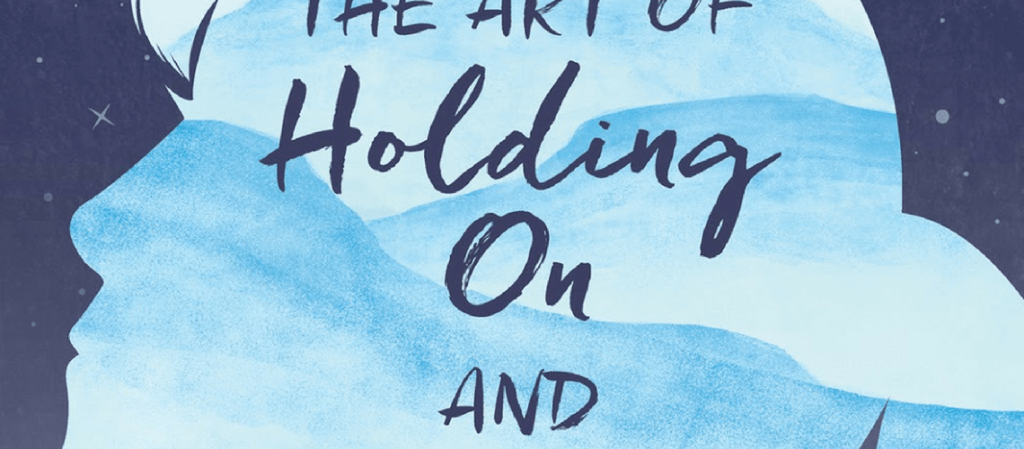
    the art of holding on and letting go book coverThe Art of Holding on and Letting Go by Kristin Bartley Lenz

    Released: September 12, 2016
    Publisher: Elephant Rock Books
    Add to Goodreads
    ★★★★☆

    Competitive climber Cara Jenkins feels most at home high off the ground, clinging to a rock wall by her fingertips. She’s enjoyed a roaming life with her mountaineering parents, making the natural world her jungle gym, the writings of Annie Dillard and Henry David Thoreau her textbooks. But when tragedy strikes on an Ecuadoran mountaintop, Cara’s nomadic lifestyle comes to an abrupt halt.

    Starting over at her grandparents’ home in suburban Detroit, Cara embarks on a year of discovery, uncovering unknown strengths, friendships, and first love. Cara’s journey illustrates the transformative power of nature, love and loss, and discovering that home can be far from where you started.


    I was hooked right away

    The novel opens a world away from my own– not just because main character, Cara Jenkins, is in Ecuador, where Lenz captures the sights and sounds and smells so well– but also because the story opens amid a junior rock climbing competition. I had no idea such events even existed.

    The tension is palpable as Cara mentally prepares for her climb. She’s trying to block out the fact that her famous, mountaineering family is ascending one of the most treacherous peeks in South America instead of supporting her at the competition. She’s also trying not to feel overwhelmed next to friends (who are also her competitors), who are using the event as a publicity stunt to gain fame and sponsors. She just wants to escape for a moment with her thermos of hot tea to think about rock wall she is about to climb.

    Then, once Cara’s world was knocked off-kilter during the competition, there was no going back for me.

    #OHTHEFEELS

    This book dealt with some pretty complex ideas, which I didn’t expect. I mean, it’s been several weeks since I finished reading The Art of Holding On and Letting Go, and I still do not know how I feel about Cara’s parents shipping her to the suburbs of Detroit, while they remain abroad to grieve the loss of Uncle Max. My immediate reaction was that Cara’s parents were selfish! Selfish that they would force Cara away from home for the sake of normalcy. Selfish for making Cara deal with the grief and loss all on her own. Selfish for making her worry about their safety as they cope in the only way they know how– by climbing even more dangerous mountains. I couldn’t help but think, “How could they just abandon her like that?!”

    But I know…I know it is not that simple. Everyone copes with loss in their own ways, and Lenz explores that idea throughout The Art of Holding On and Letting Go.

    I found myself invested in all of the characters

    Lenz writes a rich cast of characters, and I found myself rooting for all of them. Like goth girl, Kaitlyn, who was one of the first to welcome Cara to school (even though goth girls are supposed to be mean and intimidating [or at least that’s what everyone thought of me back in the day] and even though she has a deformed hand that tends to make ignorant people uncomfortable). Or, like punk kid, Nick, who is a really sensitive young man and is determined to see Cara climb again and sweep Kaitlyn off her feet. Then there is Jake, an eighth-grader from the sketchy parts of Pontiac, who found refuge in rock climbing and basketball; it’s so unsuspecting, but this youngster plays a pivotal role in challenging Cara to climb again. Even Cara’s grandmother wiggled her way into my heart once I realized her curmudgeonly and critical personality was one rooted in fear and anxiety regarding the people she loved.

    Readers have the opportunity to follow the transformation of each character–primary and secondary– which I think is a rare treat. Portraying so much character growth in just a couple hundred pages could have easily become cumbersome. But, Lenz knows her characters so well that she makes writing well-rounded characters seem like a breeze.


    The Art of Holding on and Letting Go is a novel you need in your life. It’s an excellent debut filled with beautiful prose and compelling characters. But what impressed me the most was Cara’s passion for rock climbing. First, I’ve never read a novel about rock climbing before, so I found it to be especially fascinating. It became this obstacle that was both literal and metaphoric, which was kind of perfect, really. Second, reading about rock climbing is invigorating! After finishing the novel, I probably spent an hour searching for hiking trails around the mid-Michigan area because I wanted to reconnect with nature like Cara did. (Mind you, I haven’t actually thrust myself back into nature yet, but it’s also been unnaturally hot this summer. My preference has been not to move very much because I can’t handle this kind of weather.)

    (P.S. You can totally tell Kristin Bartley Lenz is from Michigan. She wrote that the 45 degree Springtime weather was “balmy”, which is exactly how I describe the weather when the snow starts to melt.)

    I received a copy of this book from the publisher for free in exchange for an honest review.
  • Do I Have a New Favorite Author? | Peaches by Jodi Lynn Anderson

    Do I Have a New Favorite Author? | Peaches by Jodi Lynn Anderson

    It’s not often that I read two books by the same author in the same year (JK Rowling withstanding). And, it’s rarer than a blue moon that I read two books by the same author within 30 days. Yet, I recently devoured Peaches (in one day) by Jodi Lynn Anderson less than 30 days of  reading The Vanishing Season by Jodi Lynn Anderson (in one day).


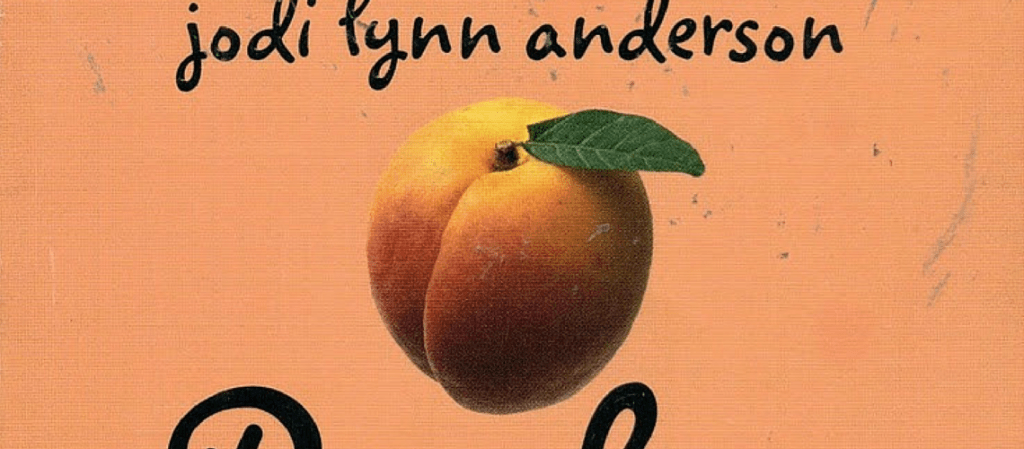
    Peaches by Jodi Lynn Anderson Book coverPeaches (Peaches #1) by Jodi Lynn Anderson

    Released: June 2005
    Publisher: HarperCollins Publisher
    Add to Goodreads
    ★★★☆☆

    In a Ya-Ya Sisterhood for teens, Peaches combines three unforgettable heroines who have nothing in common but the troubles that have gotten them sentenced to a summer of peach picking at a Georgia orchard.

    Leeda is a debutante dating wrong-side-of-the-tracks Rex.

    Murphy, the wildest girl in Bridgewater, likes whichever side Rex is on.

    Birdie is a dreamer whose passion for Girl Scout cookies is matched only by her love for a boy named Enrico.

    When their worlds collide, The Breakfast Club meets The Sisterhood of the Traveling Pants in an entirely original and provocative story with a lush, captivating setting.


    Anderson writes about the most spectacularly flawed characters.

    Sometimes they’re downright unlikeable. Like Murphy and Leeda and Birdie, who are selfish and insecure and condescending and full of pride and sometimes just downright fools. I really wanted to hate them, but I couldn’t because beneath the walls they built, they just wanted to be loved and accepted. They want to be optimistic about their future even though Murphy is certain she’s doomed to endure failed relationship after failed relationship just like her mother. And Leeda is certain her existence is a regretful mistake and that her mother actually has a favorite child (spoiler: it’s not Leeda). And Birdie…well, her mother just ran out on her and her father, and the peach farm she calls home is failing, and she’s about to lose that too.

    I felt like I was on a peach farm in south Georgia.

    Just like in the Vanishing Season, Anderson made her setting come alive, and she made it seem effortless. I could smell the stinky-sweet scent of overripe peaches, and I could feel their sticky juice on my skin as it dried. I could feel the cool refreshing waters of the lake the girls would steal away to after curfew, and I could feel Georgia’s blazing, afternoon sun and suffocating humidity.

    The story seemed slow, however.

    Which I understand might seem weird because I praised the Vanishing Season for being an intentionally slow novel. In the Vanishing Season, it seemed to add to the atmosphere Anderson was creating. But, it seemed out-of-place in Peaches. I just wanted Murphy and Leeda and Birdie to get over themselves already so that I could read a book about friendship.

    A Contemporary YA novel would be incomplete without a little romance.

    But, I wasn’t a fan of the romantic relationships that developed in Peaches. Okay, Birdie and Enrico were awkwardly charming together, but Rex and Leeda… and Rex and Murphy? Actually, it was just Rex in general. He didn’t have much of a personality. Really, I just wanted Leeda and Murphy to realize they were better as independent women and lose interest in “wrong-side-of-the-tracks”-Rex (who was really just sort of benign).

    Overall, I enjoyed Peaches. I didn’t love it like the Vanishing Season though. Peaches is actually part of a series, which I didn’t realize when I checked the book out. I don’t know if I feel compelled to read on. At least, not this year. Perhaps I’ll revisit the idea of reading Peaches #2 next summer. Still… I did find it to be a satisfying summertime read about friendship and self-discovery. It made me want to read Sisterhood of the Traveling Pants or watch the movie Now and Then.

    What is one of your favorite summertime novels about friendship?